
Why Music Production is the New Piano Lesson: Modern Music Education for Kids
Why Music Production is the New Piano Lesson: Modern Music Education for Kids
For generations, learning music meant piano lessons, sheet music, and weekly recitals. While traditional instruments like piano and guitar still have value, today’s kids are growing up in a very different world – one shaped by technology, creativity, and digital expression. As a result, music education is evolving, and music production classes are quickly becoming the modern equivalent of the classic piano lesson.
At Sound Club, we see this shift every day. Kids and teens are more inspired when music education meets them where they already are – on laptops, tablets, and headphones – creating, experimenting, and producing their own sound. For parents researching modern alternatives to standard music lessons, music production offers a powerful blend of creativity, technical skill, and real-world relevance.
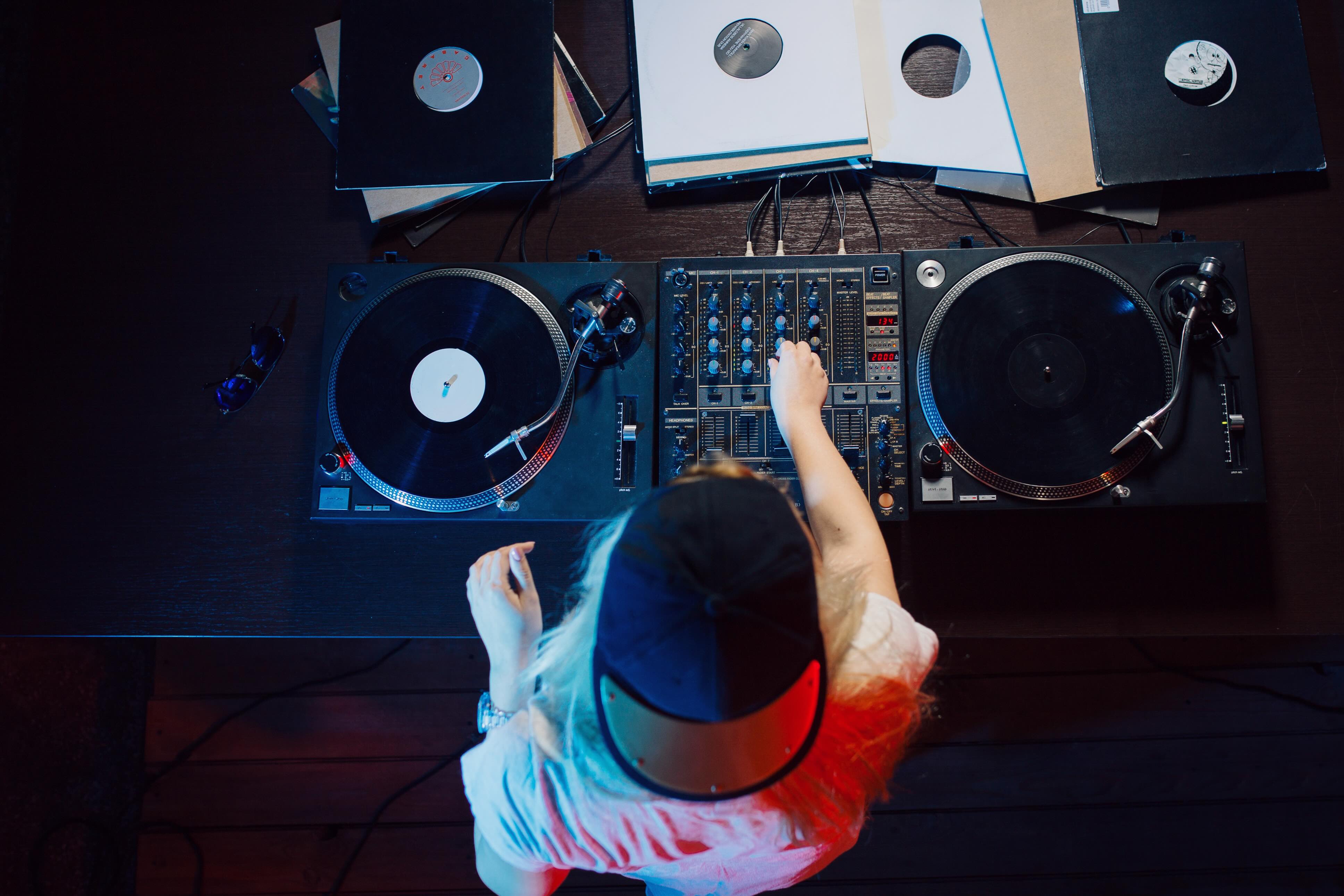
THE EVOLUTION OF MUSIC EDUCATION
Traditional music lessons often focus on repetition, technique, and mastery of a single instrument. While these skills are valuable, many children struggle to stay engaged if they don’t immediately connect with the learning style. Sitting still, reading sheet music, and practicing scales can feel disconnected from the music they love and hear every day.
Music production flips that model. Instead of starting with rules, students start with creativity. They learn by doing – building beats, layering sounds, recording vocals, and shaping songs from scratch. This hands-on approach is especially effective for today’s learners, who thrive in interactive, technology-driven environments.
In a modern music school for kids, production-based learning doesn’t replace traditional musicianship – it expands it. Students still learn rhythm, melody, harmony, and structure, but through tools and methods that feel exciting and relevant.
WHY KIDS CONNECT WITH MUSIC PRODUCTION
Kids today are digital natives. They grow up watching content creators, DJs, and producers on YouTube and TikTok. They don’t just want to listen to music — they want to make it.
Music production taps directly into that curiosity. Instead of asking a child to practice the same song for weeks, production allows them to experiment immediately. With professional software like Logic Pro, GarageBand, and Ableton, students can hear results in real time. That instant feedback builds confidence and keeps them motivated.
More importantly, music production empowers kids to express themselves. They’re not limited to one instrument or style. They can explore hip-hop, electronic, pop, film scoring, or sound design — all while developing a deeper understanding of how music works.
CREATIVITY FIRST, CONFIDENCE ALWAYS
One of the biggest benefits of music production is how it nurtures creativity. There’s no single “right” way to create a beat or arrange a track. This open-ended process encourages kids to take risks, try new ideas, and trust their instincts.
At Sound Club, students learn that mistakes are part of the creative process. If something doesn’t sound right, they adjust it. This mindset builds resilience, problem-solving skills, and confidence — qualities that extend far beyond music.
For kids who may feel intimidated by traditional lessons, production offers a welcoming entry point. No prior experience is required, and progress happens quickly. Students leave class with something they created themselves, reinforcing a sense of accomplishment.
REAL-WORLD SKILLS THAT GO BEYOND MUSIC
Music production isn’t just about creativity – it’s also about practical, transferable skills. Students learn how to use professional software, understand digital workflows, and think critically about sound. These are valuable skills in today’s tech-driven world.
In music production classes, kids develop:
- Digital literacy and software fluency
- Audio engineering fundamentals
- Critical listening and attention to detail
- Collaboration and communication
- Creative problem-solving
For older students, these skills can even open doors to future careers in music, media, film, gaming, podcasting, and content creation. Learning audio engineering for beginners at a young age gives students a strong foundation they can build on for years to come.
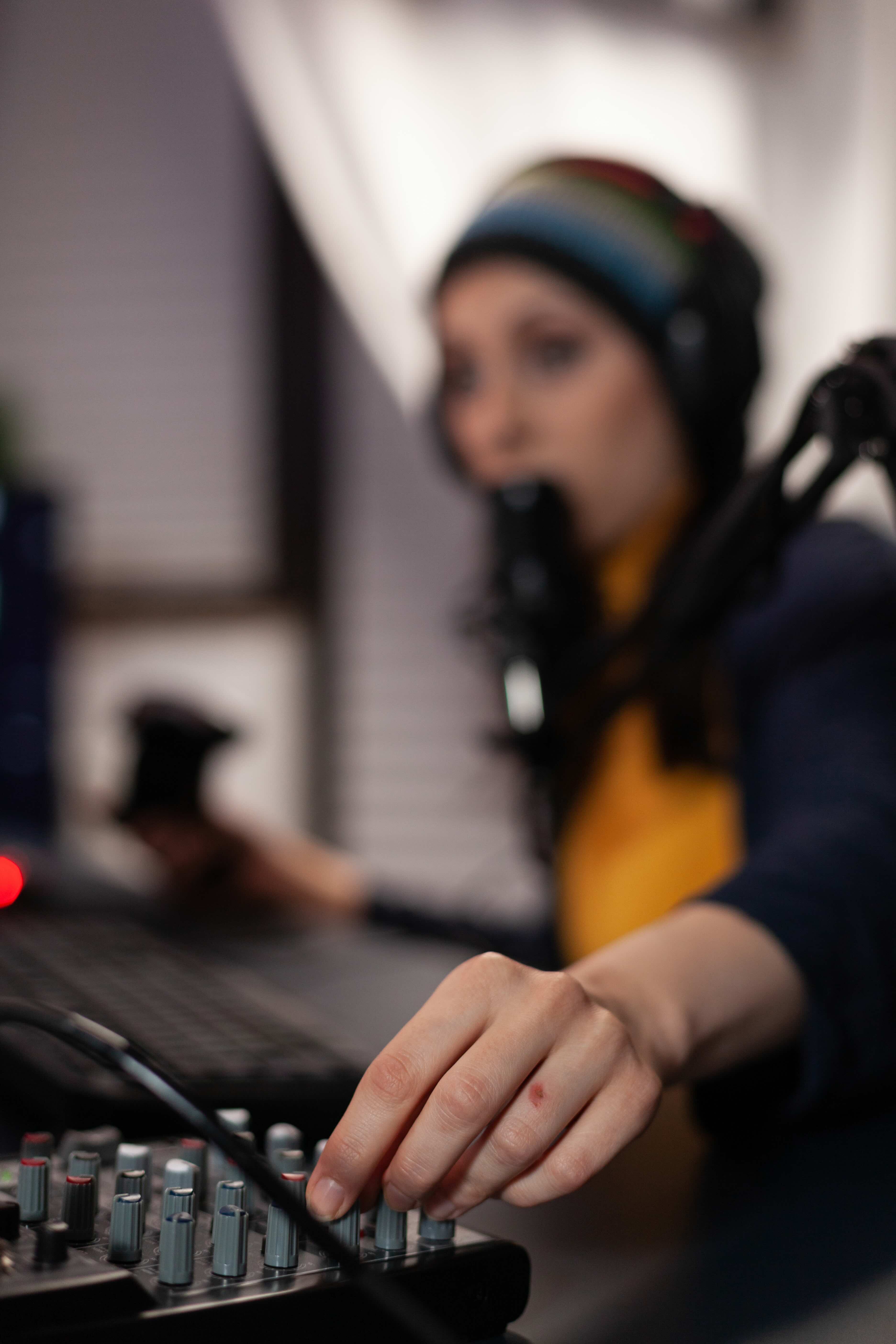
HOW MUSIC PRODUCTION COMPARES TO TRADITIONAL LESSONS
Traditional lessons typically focus on one instrument at a time. Music production, on the other hand, teaches students how all the pieces come together. A student might record a guitar, program drums, add synthesizers, and mix vocals — all in one project.
This holistic approach helps kids understand music as a system, not just a performance. They learn how songs are constructed, how sound is shaped, and how technology plays a role in modern music creation.
That doesn’t mean traditional instruments are obsolete. In fact, students who play piano, guitar, or drums often thrive in production classes because they can apply their skills in new ways. Music production complements traditional lessons and makes them more engaging.
A MODERN MUSIC SCHOOL FOR MODERN FAMILIES
Parents today are looking for enrichment activities that are meaningful, engaging, and relevant. Music production checks all those boxes. It blends creativity with technology, structure with freedom, and fun with education.
At Sound Club, we designed our programs to meet kids where they are — curious, creative, and ready to explore. Our supportive environment ensures that every student feels encouraged, whether they’re brand new to music or already experimenting at home.
Classes are structured but flexible, allowing students to progress at their own pace while learning industry-relevant tools and techniques. From beat-making to recording and mixing, students gain a well-rounded skill set that grows with them.
THE FUTURE OF MUSIC EDUCATION
Music education doesn’t have to look the same as it did decades ago. As technology continues to shape how music is created and shared, learning should evolve too.
Music production is more than a trend – it’s a reflection of how music exists in the real world today. For kids, it offers a creative outlet that feels exciting and empowering. For parents, it provides a meaningful alternative to traditional lessons, with skills that extend far beyond the classroom.
If you’re exploring a music school for kids that values creativity, confidence, and modern learning, music production may be the perfect place to start. At Sound Club, we believe that when kids are given the tools to create, they don’t just learn music – they find their voice.